What People Build With It
Wine cellars, speakeasies, gun rooms, safe rooms. The rooms people brag about run on hardwood, and the doors run in the family.
Snake River Hardwoods supplies the wood for the rooms people build to show off or to keep secret: wine cellars, speakeasies and home bars, tactical and gun rooms, and safe rooms, plus hotels, restaurants, offices, theaters, and libraries. Paneling, shelving, mantels, and millwork are milled in Rigby, Idaho; hidden and engineered doors come through parent company Murphy Door®.
Four builds, ready to spec.
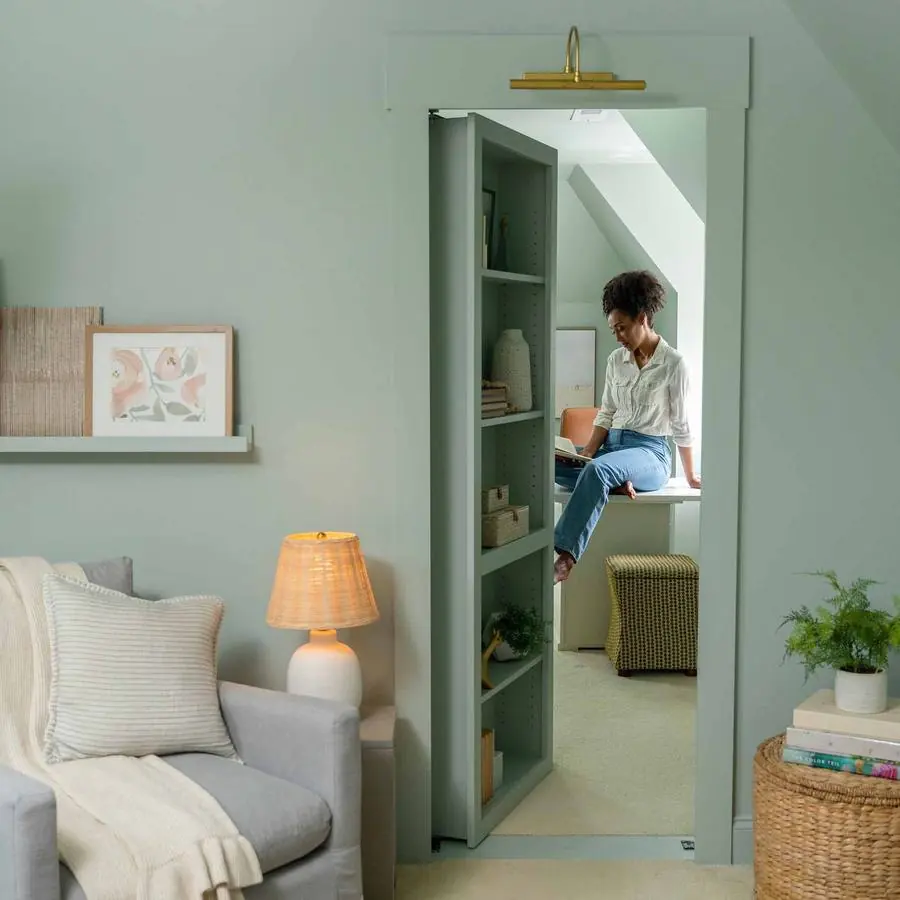
The jewel box room
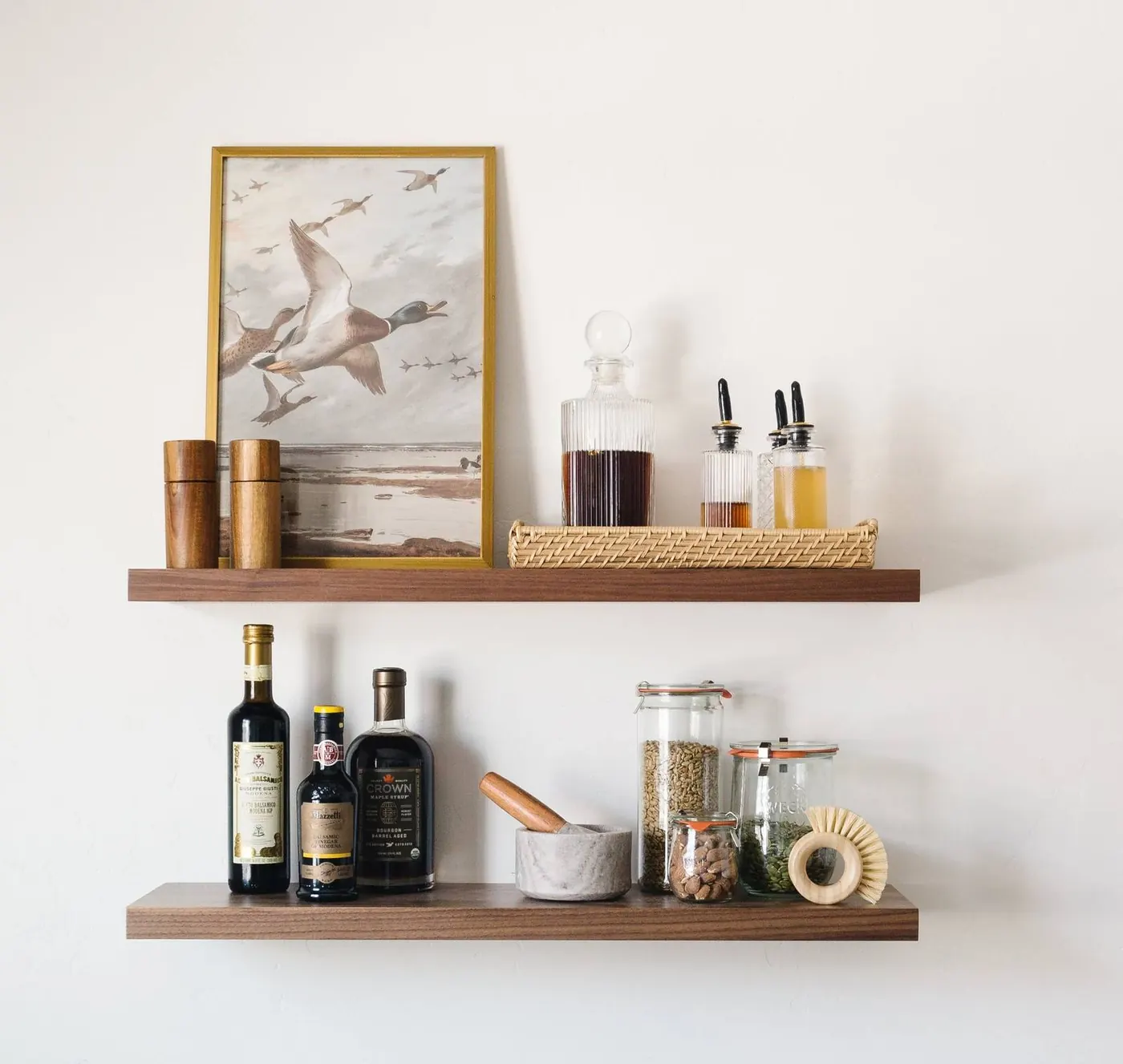
Racking walls, paneling, display ledges that hold real bottles, and the hidden cellar door.
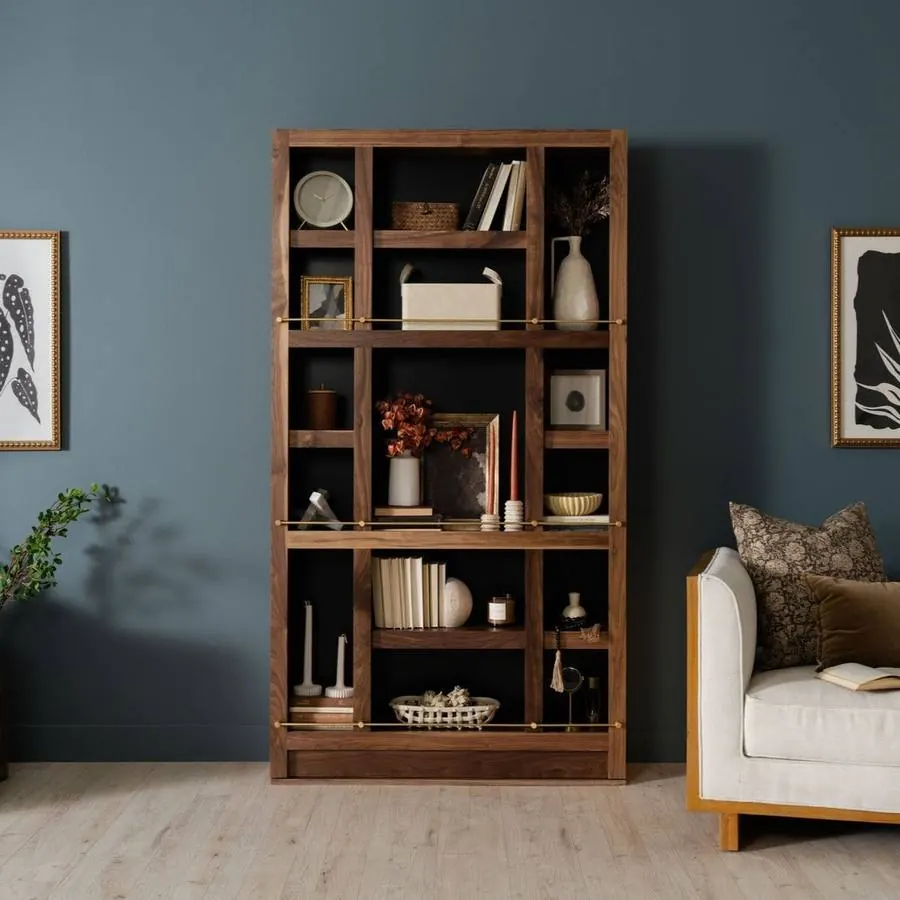
The bar behind the bookcase
Textured walls that read decades old, back-bar shelving, and the reveal that makes the room.
Invisible from the hallway
Concealment paneling, shelving rated for gear weight, and entries that read as furniture.
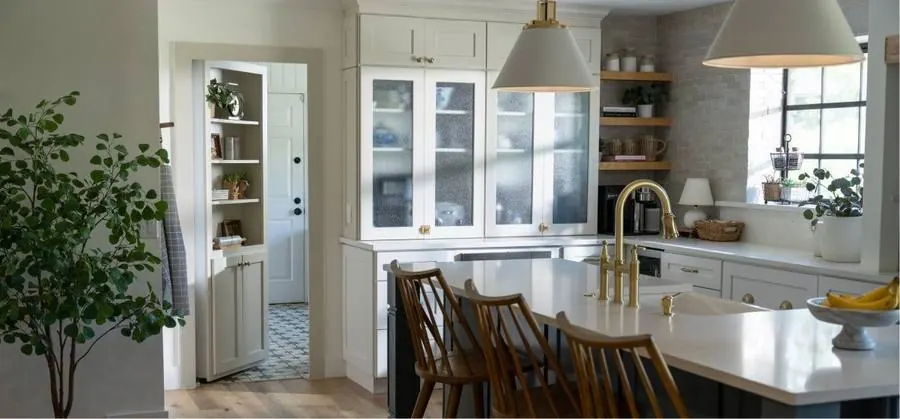
Ordinary on purpose
Matched casing and millwork that make an engineered door disappear into the house.
The list keeps going.
The same one-mill logic covers hotel and casino work, restaurant private dining, office lounges and executive suites, home theaters and media walls, and libraries and studies. If your project is one of them, don’t wait for the page: request a sample or start with custom wood projects and tell us what the room is.
A cellar is a jewel box. The wood is the box.
Nobody builds a wine cellar to store liquid. They build it to walk someone into. The room works when everything the eye lands on agrees: the racking wall, the paneling behind it, the ledge under the display bottles, the door casing. That agreement is a supply problem, not a design problem, and it’s the exact problem a single mill solves. Every stick can come off one floor in one species, one texture, one finish run.
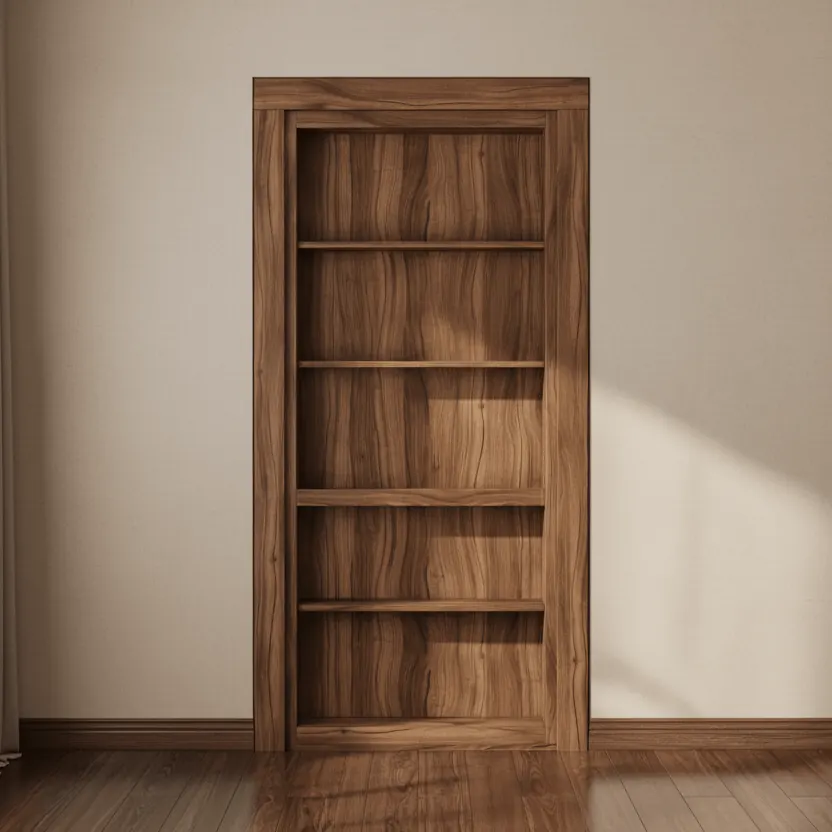
Solid hardwood and textured veneer paneling for the walls, raw or finished at the mill. Shelf and mantel stock through Shelves and Mantels for display ledges that hold real bottle weight, on brackets rated 50 pounds per stud. Edgebanding textured to match so every visible edge carries the pattern. And the entry itself through Murphy Door®: a bookcase, a paneled wall, a rack that swings. The reveal is the whole party trick, and it lands hardest when the door’s wood matches the room because both came from the same batch.
A door nobody sees, in a room nobody forgets.
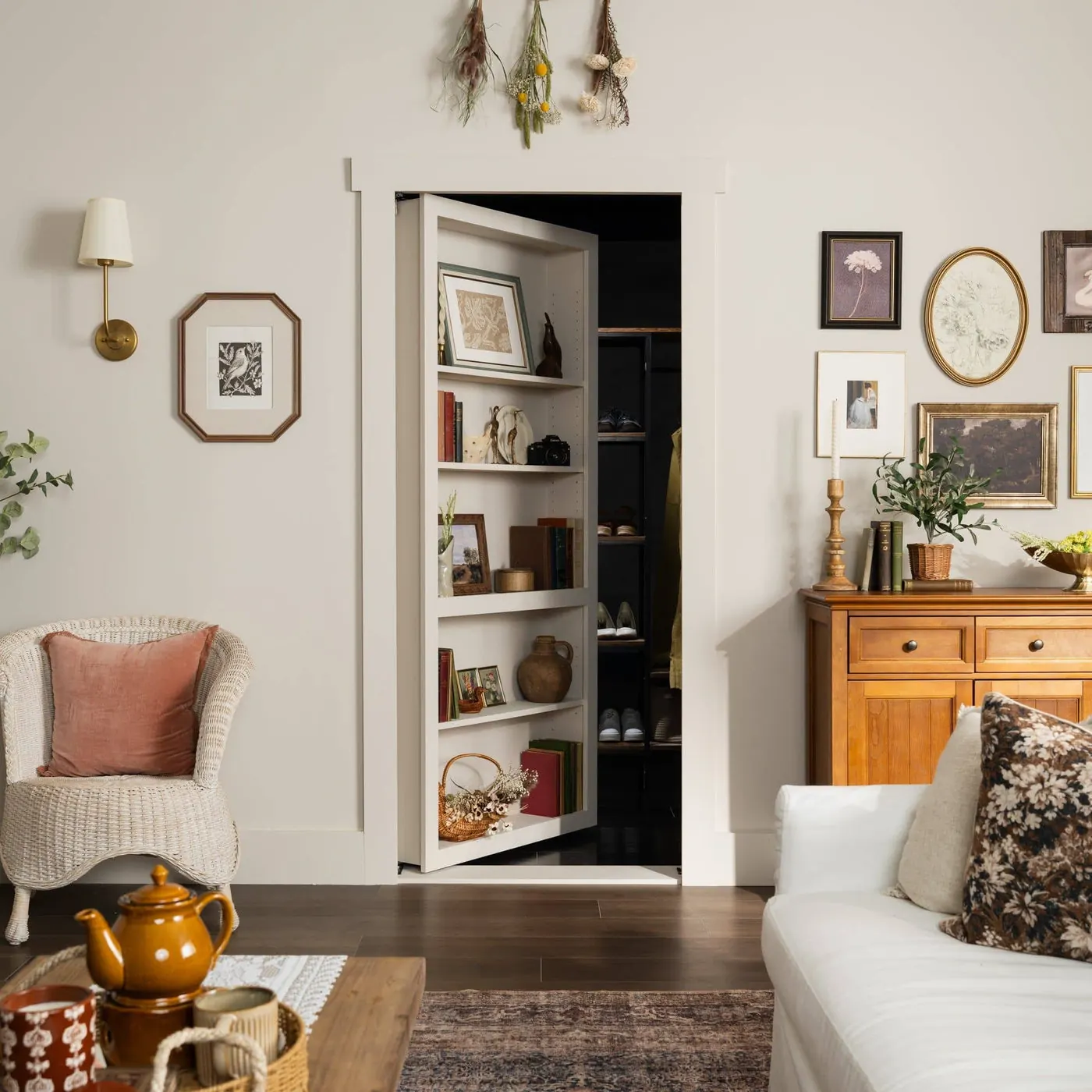
The speakeasy is the one build where the door is the product. Murphy Door® built a business on that moment, and it plays at every scale: a basement bar behind a bookcase, a restaurant’s private room behind a paneled wall, an attraction built for a film franchise. When Lionsgate needed hidden doors for the John Wick Experience at AREA15 in Las Vegas, this family of companies supplied them, and Lionsgate’s Gene Rogers credited the doors with the experience’s “mysterious energy.” The same instinct works in a house: put the entrance where guests actually pass, load the disguise honestly, and let someone find it.
Textured textured paneling gives the room its age and shadow: Weathered and Driftwood patterns read like the bar has been pouring for decades. Shelves and Mantels floating shelves in walnut or white oak carry the back-bar bottles on Studlock brackets rated 50 pounds per stud, so the display is stocked, not staged. Mantels, ledges, and trim mill in the same species so the whole room agrees. The hidden entrance comes through Murphy Door®, and the wood on it can come out of the same Rigby batch as the walls, which is what makes the disguise hold at arm’s length.
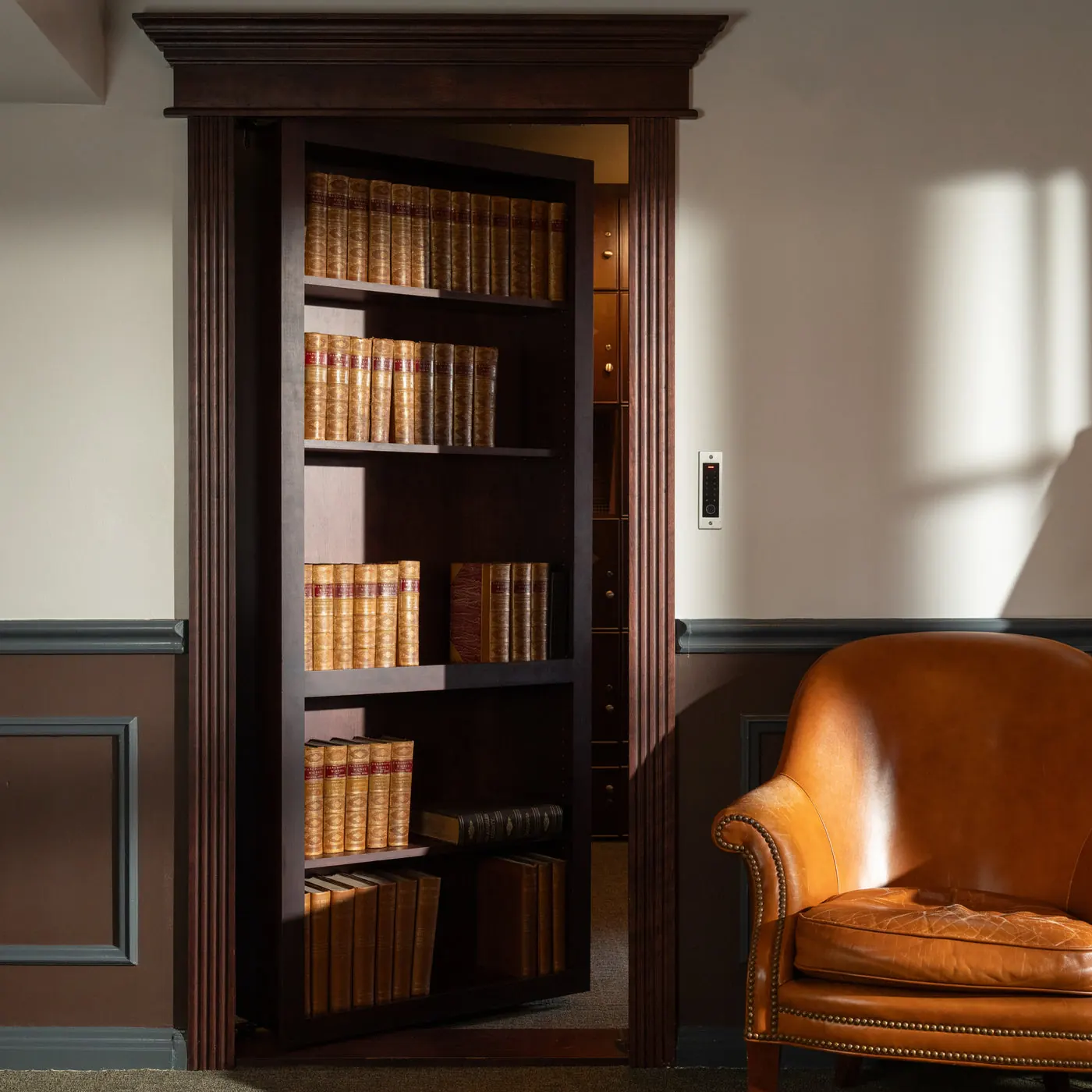
Concealment is a woodworking discipline.
A gun room done right has two jobs: secure what’s inside and be invisible from outside. The second job belongs to the wood. The entry reads as a bookcase, a paneled wall, or a cabinet run, and it only fools anyone if the wood on the door matches the wood around it in species, texture, and finish. That match is trivial when one mill cuts both, and nearly impossible when a safe company, a cabinet shop, and a trim supplier each ship their own idea of walnut.
Solid hardwood and textured veneer for the room and the concealing wall, raw or finished at the mill so your builder can match an existing run. Shelf stock through Shelves and Mantels with Studlock brackets rated 50 pounds per stud, because gear is heavy and a sagging shelf gives a room away. Edgebanding textured to match on every visible edge. The concealed doors and concealment furniture themselves come through Murphy Door®, engineered and built in-house down to the hinge.
Security people harden the door. We make it boring.
A panic room entry has to survive two different inspections. The first is force, and that’s hardware and engineering, Murphy Door® territory, hinges and structure built in-house since a firefighter’s home theater door started the company in 2012. The second inspection is a stranger’s eyes moving across the room, and that one is won by wood. The entry that looks exactly like the pantry, the closet, or the wainscot beside it never gets tested, because it never gets found.
Paneling and millwork in solid hardwood or veneer, raw for your finisher to match the house, or finished at the mill. Full home packages cut to an architect’s plans when the safe room is one line item in a bigger build. The engineered entry doors, secret rooms, and panic room systems come through Murphy Door®, and the two halves arrive speaking the same species and finish.
Jackson Hole, Park City, the Teton gateway.
Rigby sits an hour from the Tetons and a day's drive from Park City. Our own trucks run both. Siding is priced by the square foot with delivery by the mile, one way from the mill, so a Jackson or Deer Valley job gets a real number before the bid goes in. Trade pricing comes off at the time of order. Nothing leaves without payment in full.